
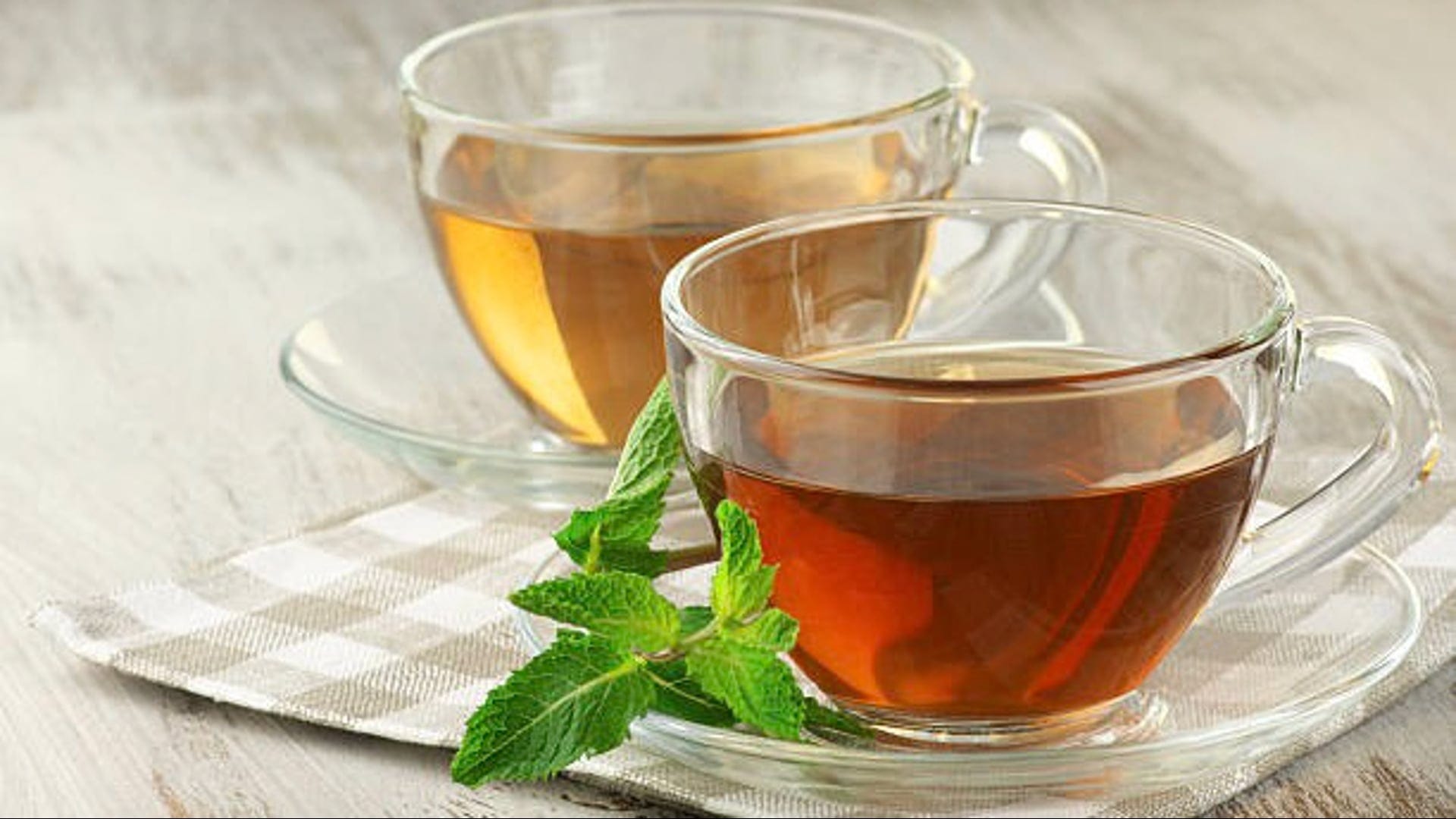

Is green tea or black tea better for your health?
Green tea is often praised for its health benefits, such as its ability to support digestion, reduce inflammation and lower blood pressure.
unbranded – Lifestyle
Traditional Chinese Medicine’s (TCM) influence is all around us. From countless herbal remedies on health store shelves to practices like acupuncture, acupressure, cupping, tai chi and massage therapies, TCM continues to shape how people care for their health across the globe.
Gua sha is one lesser-known but increasingly popular TCM-rooted therapy that may have surprising upsides. “In general, the potential benefits of gua sha have not been investigated as thoroughly as some other Chinese medicine techniques, but the data that are available are overwhelmingly positive,” says Katie Walker, a licensed acupuncturist at the Osher Center for Integrative Medicine at Brigham and Women’s Hospital in Massachusetts.
Here’s what gua sha is, when it may be helpful and what to keep in mind before adding it to your self-care routine.
What is gua sha?
Gua sha is a therapeutic scraping technique that dates back more than 2,000 years in China, says Timothy Sobo, a lifestyle medicine expert and licensed acupuncturist with the Cleveland Clinic. “The term ‘gua’ means ‘to scrape,’ and ‘sha’ refers to the reddish rash that often appears on the skin after treatment,” he explains.
Traditionally, the red or purple spots that appear were seen as energy – or qi – being moved through or released from the body. Today, clinicians understand them to be the result of friction causing minor capillary trauma, which, Walker explains, may increase circulation and stimulate the body’s natural healing response.
To create these marks, practitioners first lubricate the skin with oil or balm so the tool can glide smoothly. Then the skin is scraped or stroked with an object such as a ceramic spoon, a jade or quartz stone, or even a jar lid. “It is typically performed with the tool moving in short, gentle strokes starting higher on the desired area and working downward, then moving from the center of the area out toward the sides,” Walker says.
Gua sha can be performed by trained acupuncture or massage practitioners, though many people also attempt it at home.
Is gua sha good for you?
While some critics argue that gua sha may work largely through placebo effects or the general soothing nature of touch, research does support some uses. Walker points to clinical trials showing benefits for relieving neck pain and low back pain, reducing diabetic neuropathy and even improving weightlifting performance, “possibly through its ability to affect local circulation and engage the inflammatory process in facilitating repair.”
Sobo explains that gua sha may also enhance circulation “by stimulating microcirculation in soft tissue, encouraging oxygen and nutrient delivery to cells and aiding in the removal of waste products.” He says it may also reduce inflammation by triggering the immune response and releasing anti-inflammatory mediators. “Gua sha has even shown promise in reducing perimenopausal symptoms such as hot flashes, paresthesia, insomnia, nervousness, melancholia, fatigue and headache,” Walker adds.
In cosmetic contexts, facial gua sha is often also promoted for reducing puffiness and improving skin tone, but supportive studies are scarce and more research is needed.
What are the negative effects of gua sha?
Like most therapies, gua sha comes with caveats. Because it involves scraping the skin, the most common side effect is bruising. The red patches (called petechiae) typically fade within a few days but can also look alarming if unexpected. Some soreness, swelling, or tenderness may also occur. “But the practice should not be painful, despite it leaving marks,” Walker emphasizes.
Tools should be properly cleaned and pressure adjusted to avoid breaking the skin. Aggressive scraping can raise the risk of infection, particularly when tools aren’t sterilized. Walker adds that practitioners often recommend keeping treated areas protected and covered after a session, since the skin is temporarily more vulnerable to external stressors like heat or cold.
And some people should avoid gua sha altogether. For instance, those on blood thinners, people with clotting disorders, or individuals with skin conditions like eczema or psoriasis should not try it. It’s also unsuitable for anyone with “sunburns, open wounds, skin infections or inflamed skin,” Sobo says.
Ultimately, “gua sha can be a safe and beneficial practice when used properly and with realistic expectations,” he says, “but it works best as a complementary therapy, not a miracle solution.”
link