
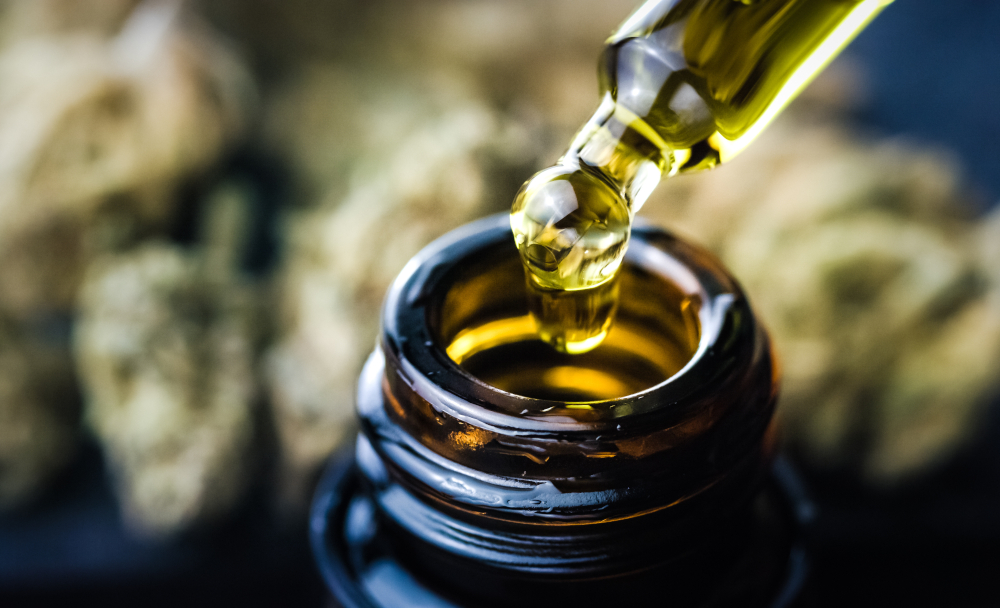
The executive order signed by U.S. President Donald Trump directing federal agencies to reschedule cannabis is expected to benefit hemp-derived CBD medicine, while doing little to legitimize the vast over-the-counter CBD market that has operated for years without approval of the U.S. Food & Drug Administration (FDA) .
The order, signed Dec. 18, lowers federal barriers to research and prescribing, and signals potential Medicare reimbursement for physician-recommended CBD therapies. But it does not resolve the FDA’s long-standing objections to how CBD health aids – sold in the form of oils, gummies, and supplements – are currently marketed and sold in U.S. retail outlets.
Trump’s order does not resolve CBD’s regulatory contradictions, but rather sharpens the divide between hemp CBD as medicine and hemp CBD as consumer product – a distinction likely to shape investment decisions across the sector in 2026 and beyond.
OTC vs Rx CBD
Most immediately, only one product, Epidiolex, stands to benefit commercially in the near term from the order. Epidiolex, produced by UK-based GW Pharmaceuticals, a division of Jazz Pharmaceuticals, Dublin, remains the sole FDA-approved CBD medicine, cleared through randomized clinical trials and manufactured under pharmaceutical standards.
A high-CBD, no-THC formula, Epidiolex has FDA’s stamp of approval as a treatment specifically for seizures associated with Lennox-Gastaut Syndrome, Dravet Syndrome and Tuberous Sclerosis Complex. It is also approved by the European Medicines Agency and the UK’s Healthcare Products Regulatory Agency. (The drug goes by the alternative spelling “Epidyolex” in Europe and the UK.) Canada’s federal health regulator, Health Canada, has also approved the medicine.
FDA stance
The U.S. market today is dominated by non-prescription CBD products enabled by the 2018 Farm Bill but sold outside the FDA’s drug approval system. The FDA has repeatedly said these products cannot be lawfully marketed as dietary supplements or food ingredients, citing gaps in safety oversight, labeling, dosage consistency, and long-term risk data.
In 2023 and again in subsequent statements, the agency formally asked Congress to establish a new statutory framework for CBD, concluding that current food and supplement laws cannot support a safe, nationwide CBD market. Until that happens, FDA enforcement discretion — not regulatory certainty — continues to govern most retail CBD.
Hemp signal
For the hemp industry, the order reinforces a strategic pivot already underway: CBD’s long-term value may lie less in supplements and more in pharmaceuticals. Hemp-derived cannabinoids remain legally distinct from marijuana, but commercial success increasingly appears to depend on aligning with FDA drug pathways rather than consumer wellness channels.
That shift favors companies investing in clinical trials, intellectual property, and regulated manufacturing — and could accelerate consolidation as capital migrates away from fragmented retail CBD brands.
Effect on marijuana
Beyond hemp and CBD, the executive order directs federal agencies to complete the long-anticipated rescheduling of marijuana from Schedule I to Schedule III, formally recognizing accepted medical use and reducing federal barriers to research, prescribing and certain financial activities. The shift is expected to ease restrictions on clinical trials, lower compliance burdens for state-legal medical cannabis operators and remove punitive tax treatment tied to Schedule I status, while stopping short of federal legalization of adult-use marijuana.
Recreational cannabis remains illegal under federal law, and regulatory authority over commercial marijuana markets continues to rest primarily with states.
link